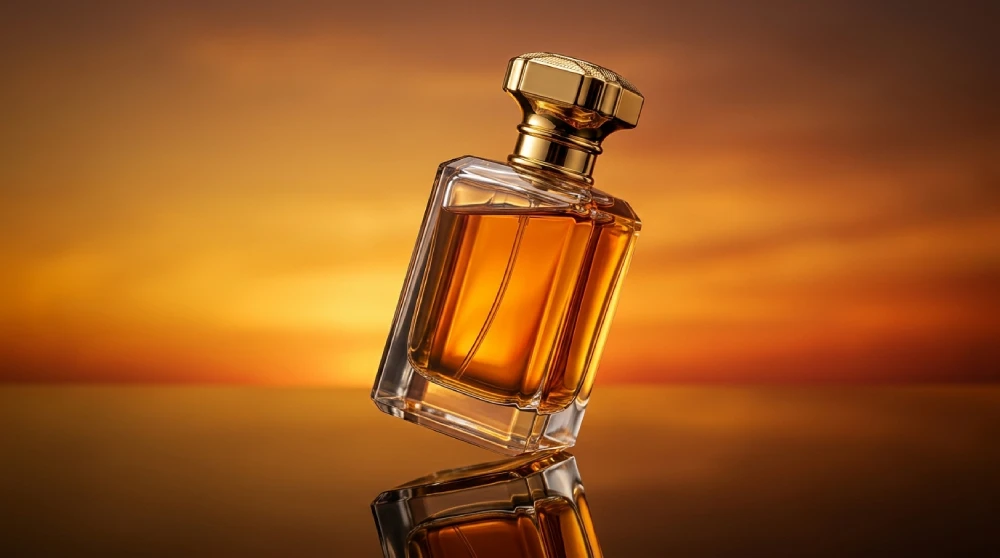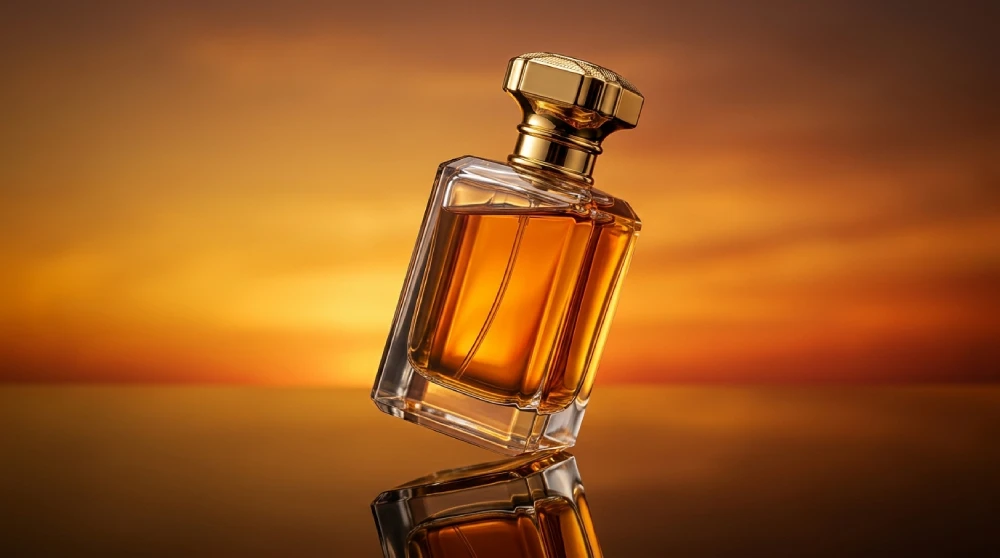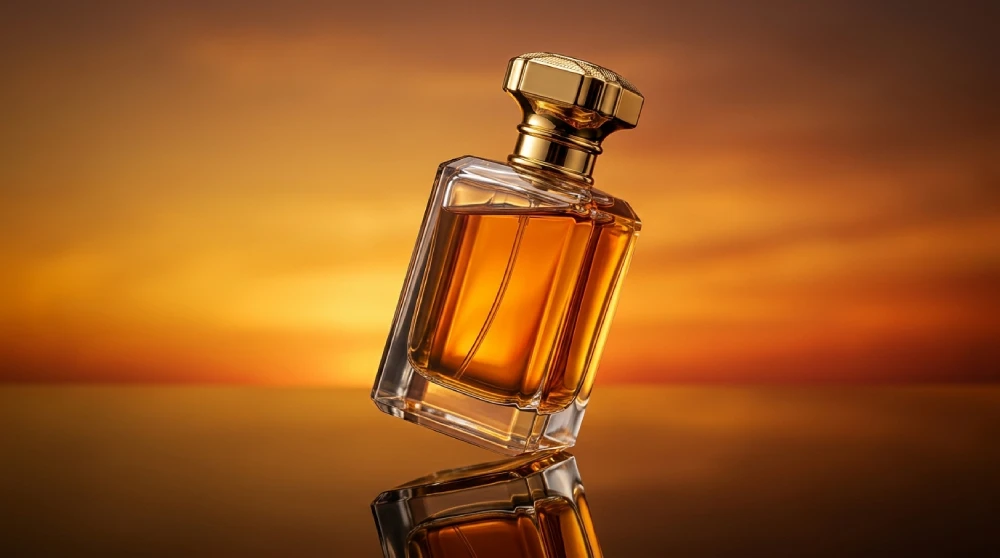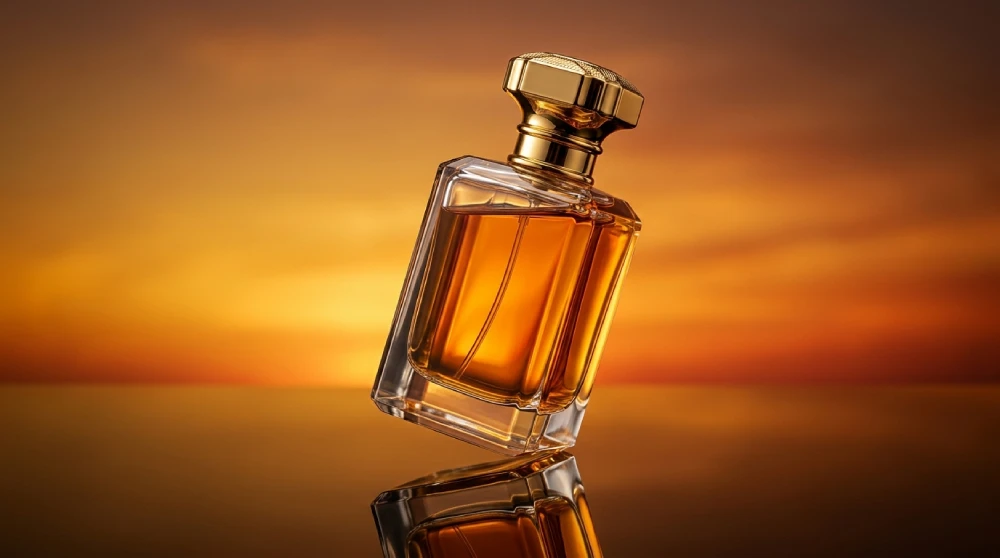
Artisanal perfumes represent one of the most authentic and creative forms of modern perfumery. Unlike mass-produced fragrances developed for large commercial markets, artisanal perfumes are crafted in small batches by independent perfumers who prioritize creativity, craftsmanship, and high-quality ingredients.
The growing interest in artisanal fragrance and natural perfumery reflects a shift among fragrance enthusiasts toward more distinctive and personal scents. Many perfume collectors today are searching for fragrances that feel unique, expressive, and closely connected to rare natural materials such as oud, sandalwood, rose, and traditional resins.
What truly distinguishes artisan perfume is the philosophy behind its creation. Instead of following mainstream trends or marketing formulas, artisanal perfumers often treat fragrance creation as an art form. Each composition reflects the perfumer’s personal vision, using carefully selected materials and techniques that highlight depth, complexity, and character.
Because of this artistic approach, artisanal perfumes have become highly valued within the niche fragrance community. For many fragrance lovers, they represent not just a scent, but a form of olfactory craftsmanship where creativity, tradition, and rare ingredients come together to create something truly distinctive.
Table of Contents
What Are Artisanal Perfumes?
Artisanal perfumes are fragrances created by independent perfumers who focus on craftsmanship, creativity, and the use of high-quality raw materials rather than mass production. These perfumes are typically produced in small batches, allowing the perfumer to maintain complete control over the composition, ingredients, and final scent profile.
In the world of artisanal fragrance, the perfumer is often both the creator and the storyteller behind the scent. Each fragrance is designed to express a unique idea, memory, or atmosphere rather than simply following mainstream market trends. This artistic freedom allows artisan perfume compositions to explore unusual combinations of materials, resulting in scents that feel distinctive and highly personal.
Another defining feature of artisanal perfumes is the careful selection of ingredients. Many artisanal perfumers work with rare natural materials such as oud oil, sandalwood, natural musk tinctures, ambergris accords, and traditional resins. These ingredients add depth and complexity to the fragrance, creating a scent that evolves naturally on the skin over time.
Because production volumes are small and ingredients are often rare or difficult to source, artisanal perfumes are usually distributed in limited quantities. This exclusivity is one reason why many fragrance collectors and enthusiasts value them highly within the niche fragrance community.
In essence, artisanal perfumes represent a return to the roots of perfumery, where fragrance creation is treated as a craft and an art rather than a purely commercial product.
The History of Artisanal Perfumery
The origins of artisanal perfumery can be traced back thousands of years to the earliest civilizations that experimented with aromatic materials. In ancient cultures such as Egypt, Mesopotamia, India, and the Arabian Peninsula, perfumes were handcrafted using natural ingredients like resins, herbs, flowers, and precious woods. These early fragrances were often produced by skilled artisans who carefully distilled or infused natural materials to create aromatic oils and incense.
During the Middle Ages and the Renaissance, perfume craftsmanship continued to evolve in regions such as the Middle East and Europe. In the Arabian world, perfumers refined the art of distillation and developed complex perfume oils known as attars. Meanwhile, in Europe, cities like Grasse in France became important centers for perfume production, where artisans worked with local flowers and botanical extracts.
For centuries, perfume creation remained a craft practiced by individual perfumers or small workshops. However, the rise of industrial perfumery in the late nineteenth and twentieth centuries introduced large-scale production and synthetic aroma chemicals. While this transformation made perfumes more widely accessible, it also shifted the industry toward mass-market fragrances.
In response to this industrialization, modern artisanal perfumery began to re-emerge in the late twentieth and early twenty-first centuries. Independent perfumers sought to revive traditional craftsmanship, emphasizing creativity, rare ingredients, and personal expression. Today, artisanal perfumers continue to draw inspiration from historical perfumery traditions while exploring new artistic approaches to fragrance composition.
As a result, artisanal perfumery today represents a bridge between ancient fragrance traditions and modern niche perfumery culture.
How Artisanal Perfumes Are Made
The creation of artisanal perfumes is a meticulous process that blends traditional craftsmanship with creative experimentation. Unlike large perfume manufacturers that rely heavily on automated production, artisanal perfumers often work in small studios where each fragrance is carefully composed and refined by hand.
The process usually begins with the selection of raw materials. Perfumers choose from a wide range of aromatic ingredients, including natural essential oils, botanical extracts, resins, woods, and carefully selected aroma molecules. Many creators of artisanal fragrance place strong emphasis on sourcing high-quality ingredients, particularly rare materials such as oud oil, sandalwood, and natural floral absolutes.
Once the ingredients are selected, the perfumer begins building the fragrance structure. Like all perfumes, artisan perfume compositions are typically developed in layers known as the top notes, heart notes, and base notes. The perfumer carefully balances these elements to create a scent that evolves gradually on the skin, revealing different aromatic characteristics over time.
Because artisanal perfumes are often produced in small batches, the formulation process allows for greater experimentation and adjustment. A perfumer may create multiple trials of a fragrance before reaching the final version, refining the proportions of each ingredient until the composition achieves the desired balance and depth.
After the formula is finalized, the perfume blend is typically left to mature through a process called maceration. During this stage, the aromatic materials integrate and develop a smoother, more harmonious scent profile. The perfume is then filtered, diluted if necessary, and prepared for bottling.
This careful and hands-on approach is one of the defining aspects of artisanal perfumes, allowing perfumers to maintain complete control over quality, creativity, and the final olfactory experience.
Key Ingredients Commonly Found in Artisanal Perfumes
One of the defining characteristics of artisanal perfumes is the use of high-quality and often rare ingredients. Unlike many mass-market fragrances that rely heavily on synthetic blends, artisanal perfumers frequently work with carefully sourced natural materials that provide depth, richness, and complexity to the fragrance.
Many ingredients used in artisanal fragrance compositions have been part of traditional perfumery for centuries. These materials are valued not only for their scent but also for the way they evolve on the skin, creating a dynamic fragrance experience.
Some of the most commonly used ingredients in artisan perfume include:
| Ingredient | Description | Role in Perfume |
|---|---|---|
| Oud (Agarwood) | A rare resinous wood formed in Aquilaria trees | Adds deep, woody, and smoky richness |
| Sandalwood | A creamy, soft aromatic wood | Provides smooth and long-lasting base notes |
| Rose Absolute | Highly concentrated rose extract | Adds floral elegance and depth |
| Amber Resins | Natural resins such as labdanum or benzoin | Creates warm, sweet, and resinous accords |
| Natural Musk | Traditionally sourced animalic material or plant-based alternatives | Enhances longevity and sensual depth |
Natural materials like these are highly prized in natural perfumery because they add complexity that cannot easily be replicated with synthetic ingredients alone. For example, natural oud oil can contain hundreds of aromatic compounds, each contributing subtle nuances that evolve over time.
Because these ingredients are often rare, difficult to harvest, or expensive to produce, they are typically used in small quantities within artisanal fragrances. However, even a small amount can significantly influence the character and longevity of the perfume.
This emphasis on exceptional ingredients is one reason why artisanal perfumes are highly valued by fragrance collectors and enthusiasts around the world.
The Difference Between Artisanal Perfumes and Designer Fragrances
Although both artisanal perfumes and designer fragrances belong to the broader world of perfumery, they differ significantly in philosophy, production methods, and creative approach. Understanding these differences helps explain why many fragrance enthusiasts are increasingly drawn to artisanal creations.
Designer fragrances are typically produced by large fashion houses or global fragrance companies. These perfumes are developed through structured processes involving marketing research, consumer testing, and large-scale production. The goal is usually to create a scent that appeals to a wide audience and performs well in global retail markets.
In contrast, artisanal perfumes are created by independent perfumers who focus on artistic expression and craftsmanship. Instead of following mass-market trends, these perfumers often experiment with unique ingredient combinations and unconventional scent profiles.
Another key distinction lies in the ingredients used. Designer fragrances often rely heavily on synthetic aroma chemicals that allow for consistency and large-scale production. While synthetics are also used in artisanal perfumery when appropriate, many artisanal fragrance creators place strong emphasis on natural materials such as oud, sandalwood, rose, and resins.
The differences between the two categories can be summarized as follows:
| Aspect | Artisanal Perfumes | Designer Fragrances |
|---|---|---|
| Production Scale | Small batches | Large-scale manufacturing |
| Creative Direction | Independent perfumer | Corporate fragrance teams |
| Ingredients | Often natural and rare materials | Mostly synthetic blends |
| Availability | Limited distribution | Widely available globally |
| Artistic Freedom | High creative independence | Market-driven development |
Because of these differences, artisan perfume creations are often perceived as more personal and distinctive. For many fragrance collectors, they offer a deeper connection to the art and tradition of perfumery, making them an appealing alternative to mainstream designer scents.
Why Artisanal Perfumes Are Considered Luxury Fragrances
Artisanal perfumes are often regarded as luxury fragrances because of the craftsmanship, rare ingredients, and limited production that define their creation. Unlike mass-market perfumes that are manufactured in large quantities, artisanal perfumes are typically produced in small batches, allowing perfumers to focus on quality, detail, and artistic expression.
One of the main factors that contributes to their luxury status is the use of exceptional raw materials. Many artisanal fragrance compositions incorporate rare ingredients such as natural oud oil, aged sandalwood, rose absolute, amber resins, and other precious botanical extracts. These materials are often expensive and difficult to source, which naturally increases the value of the final fragrance.
Another reason artisan perfume is considered luxurious is the amount of time and skill required to create each composition. Independent perfumers often spend months or even years refining a formula, adjusting ingredient proportions and allowing the fragrance to mature before releasing it to the public. This level of dedication and craftsmanship is similar to what is found in other luxury industries such as fine wine or haute couture.
Exclusivity also plays an important role. Many artisanal perfume houses release fragrances in limited quantities or seasonal batches. Once the available bottles are sold out, the fragrance may not be produced again due to the scarcity of certain natural ingredients.
Because of these factors, artisanal perfumes are often appreciated not just as fragrances but as collectible creations. For fragrance enthusiasts and collectors, owning an artisanal perfume represents an opportunity to experience a unique scent crafted with artistry, tradition, and exceptional materials.
The Role of Natural Ingredients in Artisanal Perfumery
Natural ingredients play a central role in the philosophy of artisanal perfumes and are one of the main elements that distinguish them from many commercial fragrances. In natural perfumery, raw materials derived from plants, woods, resins, and flowers are valued for their complexity, authenticity, and the way they evolve naturally on the skin.
Many artisanal perfumers choose natural ingredients because of the depth and character they bring to a fragrance. Materials such as oud oil, sandalwood, rose absolute, jasmine, vetiver, and amber resins contain hundreds of aromatic compounds. This natural complexity allows the fragrance to develop gradually over time, creating a more dynamic and layered scent experience.
In the world of artisanal fragrance, sourcing ingredients is often a careful and deliberate process. Perfumers may work directly with distillers, farmers, or small suppliers to obtain high-quality botanical extracts. Some materials, such as wild agarwood or aged sandalwood, are extremely rare and may take years to obtain in limited quantities.
Another important aspect of natural ingredients is their individuality. Unlike synthetic materials that can be produced with consistent chemical structures, natural ingredients often vary slightly depending on factors such as climate, soil conditions, and harvesting methods. This variation can give artisan perfume compositions a unique character from batch to batch.
Although many artisanal perfumers also use carefully selected aroma molecules when needed, natural materials remain a defining element of artisanal perfumes. They connect modern fragrance creation with the ancient traditions of perfumery, where scent was crafted directly from the natural world.
How Artisanal Perfumers Create Unique Fragrance Compositions
Creating a distinctive fragrance is at the heart of artisanal perfumes, and independent perfumers often approach this process as both a science and an art. Unlike commercial fragrance development, which may rely on market testing and trend analysis, artisanal perfumers typically begin with a creative concept, emotion, or story that they want the scent to express.
The process usually starts with the careful selection of materials. In artisanal fragrance creation, perfumers often work with a palette that includes natural ingredients such as oud, sandalwood, florals, spices, and resins, alongside carefully chosen aroma molecules. Each material contributes a specific character, allowing the perfumer to build a complex and balanced fragrance structure.
A typical artisan perfume composition is built in layers known as fragrance notes. These layers interact with each other to create a scent that evolves gradually:
| Fragrance Layer | Role in the Composition | Typical Ingredients |
|---|---|---|
| Top Notes | First impression of the fragrance | Citrus oils, herbs, light spices |
| Heart Notes | Core character of the perfume | Rose, jasmine, florals, spices |
| Base Notes | Depth and longevity | Oud, sandalwood, amber, resins |
Artisanal perfumers often spend significant time experimenting with these layers. Small adjustments in ingredient ratios can dramatically change how a fragrance develops over time. Because the process is not restricted by corporate guidelines, perfumers are free to explore unusual combinations and unconventional scent structures.
Another defining aspect of artisanal perfumes is the attention given to how a fragrance evolves on the skin. Perfumers test their creations repeatedly, observing how the scent transitions from the initial spray to the deeper base notes. This careful refinement allows the final fragrance to deliver a complex and memorable olfactory experience.
Through this creative and meticulous process, artisanal perfumers are able to produce fragrances that feel unique, expressive, and deeply personal.
How to Identify Authentic Artisanal Perfumes
With the growing popularity of niche and independent fragrances, many consumers are interested in learning how to recognize authentic artisanal perfumes. While the term “artisanal” is sometimes used loosely in marketing, true artisanal perfumery follows certain principles related to craftsmanship, ingredient quality, and production methods.
One of the first indicators of genuine artisanal fragrance is the scale of production. Authentic artisan perfumes are typically produced in small batches rather than mass quantities. Independent perfumers often release limited editions or seasonal batches depending on the availability of specific ingredients.
Another important factor is transparency about ingredients and the perfumer behind the fragrance. Many creators of artisan perfume openly share information about their inspiration, materials, and creative process. This direct connection between the perfumer and the fragrance is a hallmark of artisanal perfumery.
Packaging and presentation can also offer clues. While some artisanal perfume houses use simple packaging to focus on the fragrance itself, others may present their creations in handcrafted bottles or limited edition designs. However, the emphasis is usually placed on the scent and the ingredients rather than elaborate mass-produced branding.
Consumers can often identify authentic artisanal perfumes by looking for these characteristics:
| Indicator | What It Suggests |
|---|---|
| Small batch production | Focus on craftsmanship rather than mass production |
| Independent perfumer | Direct artistic control over the fragrance |
| Rare or natural ingredients | Higher emphasis on material quality |
| Limited distribution | Availability through niche retailers or directly from the perfumer |
| Unique scent profile | Fragrances that do not follow mainstream trends |
For fragrance enthusiasts, exploring artisanal perfumes often becomes a journey of discovery. Each perfume reflects the creative vision of its maker, offering a distinctive scent experience that is rarely found in mainstream fragrances.
Popular Artisanal Perfume Houses in the Niche Fragrance World
The rise of artisanal perfumes has introduced many remarkable independent perfume houses that focus on creativity, rare ingredients, and traditional craftsmanship. These brands are highly respected within the niche fragrance community for producing distinctive scents that reflect the personal vision of their creators.
Unlike large designer brands, these perfume houses often operate on a much smaller scale, releasing limited batches and experimenting with rare natural materials such as oud, sandalwood, florals, and resins. Their fragrances are often sought after by collectors and fragrance enthusiasts who appreciate originality and depth.
Below are some well-known names in the world of artisanal fragrance and natural perfumery:
| Artisanal Perfume House | Known For |
|---|---|
| Vivace | Elegant compositions inspired by classic perfumery traditions |
| Areej Le Doré | Natural perfumery using rare ingredients such as oud, musk, and vintage materials |
| Agar Aura | Exceptional oud oils and traditional agarwood distillations |
| Laurent Smal | Complex natural compositions with rich oriental influences |
| Jinx | Experimental niche fragrances with artistic concepts |
| Sultan Pasha | Traditional attars and luxurious oriental perfume oils |
| Lost Tribe | Natural perfumes inspired by ancient aromatic traditions |
| Folkwinds | Botanical-driven perfumes with a focus on natural ingredients |
| Elixir Attar | Rich oil-based perfumes rooted in traditional attar craftsmanship |
| Solafa Scents | Elegant perfume oils combining florals, resins, and woods |
| ATon | Creative niche fragrances with distinctive artistic direction |
Many of these houses focus heavily on artisan perfume craftsmanship and natural materials, which is why they are frequently discussed among collectors and enthusiasts in the niche fragrance world.
Exploring perfumes from these brands can offer a deeper understanding of what makes artisanal perfumes unique. Each house brings its own philosophy, ingredients, and creative approach, contributing to the diversity and richness of modern artisanal perfumery.
Conclusion
Artisanal perfumes represent a unique and deeply creative side of modern perfumery. Unlike mass-produced fragrances designed primarily for commercial appeal, artisanal perfumes are created with a strong emphasis on craftsmanship, originality, and the careful selection of ingredients. Each fragrance reflects the personal vision of the perfumer, often combining traditional techniques with innovative scent compositions.
Throughout the world of artisanal fragrance and natural perfumery, independent perfumers continue to explore new ways of expressing scent through rare materials, artistic storytelling, and small-batch production. This dedication to quality and creativity allows artisan perfume creations to stand apart from mainstream fragrances, offering a more personal and distinctive olfactory experience.
For fragrance enthusiasts and collectors, artisanal perfumes provide an opportunity to discover scents that are both expressive and memorable. Whether crafted with rare natural ingredients like oud and sandalwood or inspired by traditional attar-making techniques, these fragrances highlight the artistry and heritage that define true perfumery.
As interest in niche fragrances continues to grow, artisanal perfumes are likely to remain an important part of the perfume world, valued for their authenticity, creativity, and timeless appeal.
FAQs
Artisanal perfumes are fragrances created by independent perfumers who focus on craftsmanship, creativity, and high-quality ingredients. Unlike mass-produced fragrances, artisanal perfumes are typically made in small batches and often reflect the personal vision and artistic style of the perfumer.
Many artisanal fragrance creators use natural ingredients such as oud oil, sandalwood, rose absolute, and botanical extracts. However, some artisanal perfumers may also incorporate carefully selected aroma molecules to enhance performance and balance while maintaining the artistic integrity of the fragrance.
Artisan perfume creations often use rare and high-quality ingredients that are expensive and difficult to source. In addition, the perfumes are produced in limited quantities and require significant time and craftsmanship to develop, which contributes to their higher price compared to mass-market fragrances.
The longevity of artisanal perfumes can vary depending on the ingredients and fragrance composition. Many artisanal fragrances contain rich base notes such as woods, resins, and natural oils, which can help the scent last for several hours and evolve gradually on the skin. What are artisanal perfumes?
Are artisanal perfumes made with natural ingredients?
Why are artisanal perfumes usually more expensive?
How long do artisanal perfumes last on the skin?