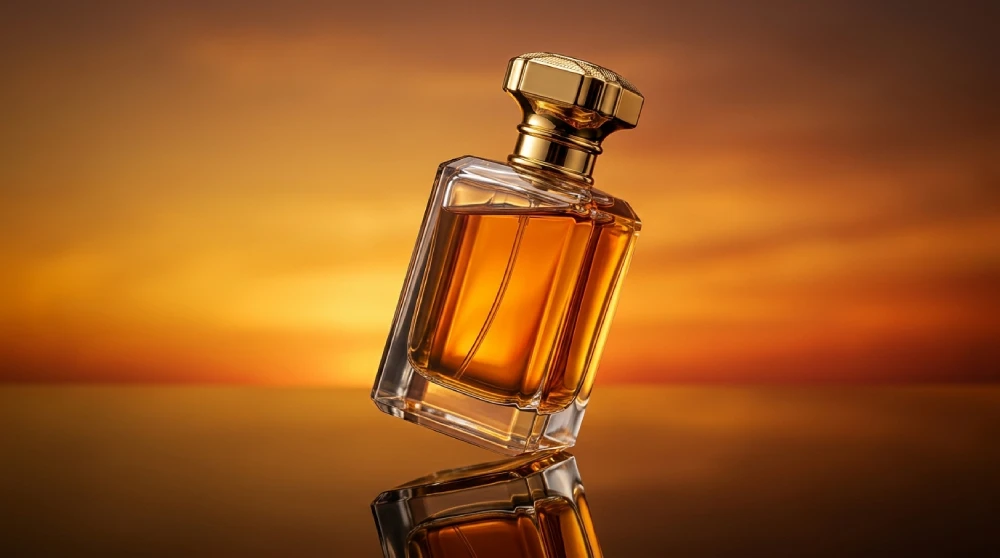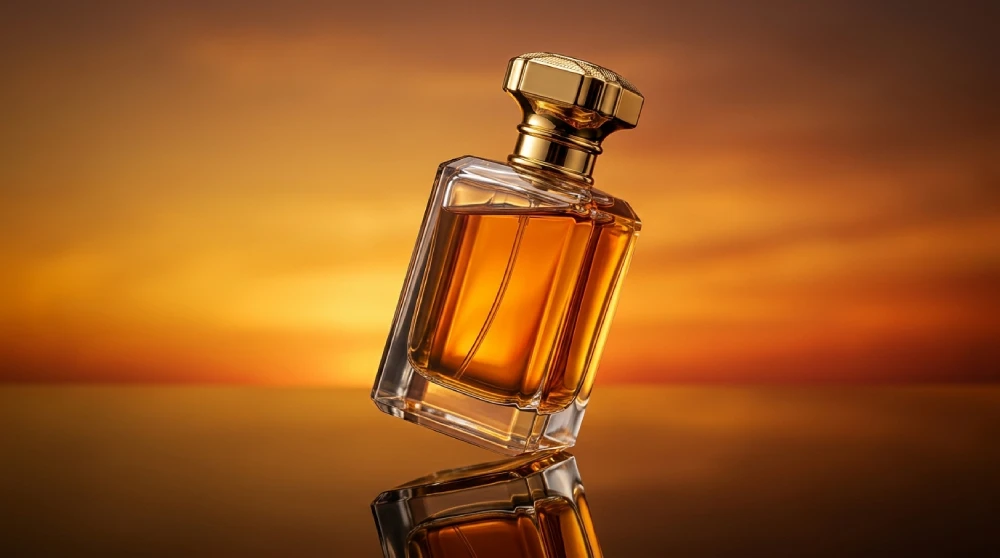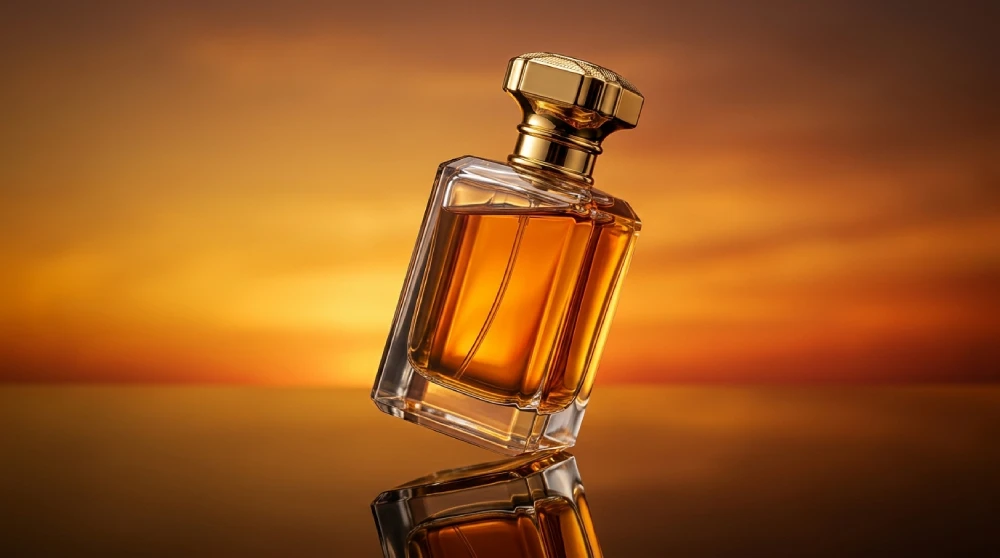
Artisanal Perfume Houses in the UAE have become a central part of the modern fragrance landscape, particularly for collectors seeking depth, natural materials, and small-batch compositions. Unlike conventional perfume brands, these houses focus on crafting fragrances using ingredients such as oud, resins, woods, and botanical extracts, allowing the scent to evolve naturally on the skin rather than follow a fixed structure.
Within the UAE, this segment has grown significantly due to the region’s long-standing connection with oud and traditional perfumery. Many artisanal perfume houses combine this heritage with contemporary techniques, creating compositions that balance authenticity with refined construction. The result is a category of perfumes that emphasizes transformation, where the fragrance reveals different layers over time.
Platforms such as Vivace play an important role in this ecosystem by curating and providing access to some of the most respected artisanal perfume houses in the UAE. This makes it easier for enthusiasts to explore natural, small-batch fragrances while maintaining the integrity of artisanal perfumery.
Table of Contents
What Are Artisanal Perfumes?
Artisanal perfumes are fragrances created through a hands-on, small-scale process where the emphasis is placed on material quality, composition depth, and natural evolution on the skin. Unlike mass-produced fragrances, artisanal perfumes are typically developed by independent perfumers who work directly with raw ingredients such as oud, resins, woods, florals, and botanical extracts.
A defining characteristic of artisanal perfumes is their non-linear development. Instead of following a strict top–heart–base structure, these fragrances evolve gradually, with different elements appearing and interacting over time. The opening may feel subtle, raw, or even abstract, but as the scent settles, deeper layers emerge, revealing a more cohesive and textured composition.
Another key aspect is small-batch production. Each batch may carry slight variations due to the natural differences in raw materials, which is considered part of the perfume’s authenticity rather than a flaw. For collectors and enthusiasts, artisanal perfumes offer a more personal and evolving olfactory experience compared to standardized fragrance formulas.
The History of Artisanal Perfumery
The origins of artisanal perfumery trace back to early civilizations, where fragrance creation was closely tied to natural materials and manual craftsmanship. Ancient cultures in regions such as the Middle East, India, and Egypt developed perfumes using ingredients like oud, resins, spices, and florals, relying on traditional extraction methods and direct interaction with raw materials. This early approach reflects many of the principles found in modern artisanal perfumes.
Over time, perfumery evolved into a more structured and industrialized practice, particularly with the rise of designer fragrance houses in Europe. Standardization, synthetic materials, and large-scale production became dominant, shifting the focus toward consistency and commercial appeal. However, this transformation also led to a gradual decline in material-driven perfumery.
In recent decades, artisanal perfumery has re-emerged as a response to this shift. Independent perfumers began returning to natural ingredients, small-batch production, and experimental composition styles. Today, artisanal perfumes represent a revival of traditional craftsmanship combined with modern understanding, offering fragrances that prioritize depth, evolution, and authenticity over uniformity.
How Artisanal Perfumes Are Made
Artisanal perfumes are created through a process that emphasizes control, patience, and direct interaction with raw materials. Unlike industrial production, where formulas are replicated at scale, artisanal perfumes are typically developed in small batches, allowing the perfumer to monitor each stage—from ingredient selection to blending and maceration.
The process begins with sourcing high-quality natural ingredients such as oud, resins, woods, florals, and botanical extracts. These materials are chosen not only for their scent but for how they behave over time. The blending stage is often iterative, where adjustments are made gradually to achieve balance without overriding the character of the raw materials.
Maceration plays a critical role in artisanal perfumery. The mixture is left to rest for extended periods, allowing sharp or volatile elements to soften and integrate. As a result, the final composition evolves more smoothly on the skin, transitioning from a subtle or diffusive opening into a richer heart and a stable drydown.
This method produces fragrances that are dynamic and slightly variable, reflecting the natural origin of the ingredients and the hands-on nature of the process.
Key Ingredients Commonly Found in Artisanal Perfumes
Artisanal perfumes are defined by their reliance on natural, high-quality raw materials that contribute to depth and gradual evolution. Among the most prominent ingredients is natural oud, valued for its complex profile that can range from dry woody tones to deep resinous and slightly animalic nuances. Oud often serves as a structural element within artisanal perfumes, providing longevity and richness in the drydown.
Resins such as frankincense, labdanum, and benzoin are also widely used, adding warmth, diffusion, and a balsamic character that becomes more pronounced over time. Woods, particularly sandalwood, play a stabilizing role, offering a smooth, creamy base that supports other materials.
Florals and botanical extracts are typically used with restraint. Instead of dominating the composition, they introduce subtle balance, softening the intensity of woods and resins without altering the overall structure. Natural musks or their traditional interpretations are often included to enhance cohesion and provide a skin-like finish.
These ingredients are not treated as isolated notes but as interacting elements that evolve together, creating a layered and dynamic fragrance experience.
The Difference Between Artisanal Perfumes and Designer Fragrances
The primary difference between artisanal perfumes and designer fragrances lies in how they are created, structured, and experienced on the skin. Artisanal perfumes are typically produced in small batches, using natural ingredients such as oud, resins, woods, and botanical extracts. The focus is on material quality and how these ingredients evolve over time, rather than achieving immediate impact or consistency across large volumes.
In contrast, designer fragrances are developed for scalability and uniformity. They often rely on standardized formulas and a higher proportion of synthetic materials to ensure consistency in every bottle. The structure is usually linear and predictable, with a clear separation between top, heart, and base notes designed to deliver an immediate and recognizable scent profile.
Another key distinction is in scent development. Artisanal perfumes tend to evolve in a non-linear way, with notes interacting and shifting throughout the wear. Designer fragrances, on the other hand, are engineered to follow a controlled progression. For collectors and enthusiasts, artisanal perfumes offer a more dynamic and personal experience, while designer fragrances prioritize accessibility and consistency.
The Role of Natural Ingredients in Artisanal Perfumery
Natural ingredients are central to the identity of artisanal perfumes, shaping both their structure and how they evolve on the skin. Materials such as oud, resins, woods, florals, and botanical extracts are not used solely for their scent, but for their behavior over time. Each ingredient carries its own volatility, density, and interaction pattern, which directly influences how the composition develops.
Unlike synthetic-heavy formulations, natural ingredients introduce variability. Oud may shift from dry and woody to deeper, resinous tones, while resins like frankincense or labdanum gradually reveal balsamic warmth. Woods such as sandalwood provide a stable base, helping other elements integrate more smoothly as the fragrance settles.
This reliance on natural materials results in non-linear scent development. The perfume does not unfold in clearly separated stages, but instead moves through overlapping layers where elements appear, recede, and re-emerge. This dynamic behavior is a defining feature of artisanal perfumery, offering a more immersive and individualized experience compared to standardized fragrance compositions.
How to Identify Authentic Artisanal Perfumes
Identifying authentic artisanal perfumes requires attention to materials, structure, and production details rather than branding or marketing claims. One of the primary indicators is the use of natural ingredients such as oud, resins, woods, and botanical extracts. These materials often result in a scent that evolves gradually, rather than presenting a fixed and immediately clear profile.
Another key factor is non-linear development. Authentic artisanal perfumes typically do not follow a rigid top–heart–base structure. Instead, the fragrance shifts over time, with certain elements appearing, fading, and re-emerging in different forms. This dynamic behavior reflects the natural variability of the ingredients.
Small-batch production is also a strong indicator. Limited quantities and slight variations between batches suggest that the perfume is not mass-produced. In addition, transparency from the perfumer or brand regarding materials and process often signals authenticity.
Finally, the overall experience tends to be more subtle and close to the skin, prioritizing depth and evolution over strong projection. For collectors, these characteristics help distinguish true artisanal perfumes from commercially styled alternatives.
Top Artisanal Perfume Houses in The UAE
The UAE has become a central destination for artisanal perfumes, particularly for collectors seeking natural oud, resins, and small-batch compositions. Platforms such as Vivace play a key role in curating and providing access to some of the most respected artisanal perfume houses globally. Below is a structured overview of leading names available within this ecosystem.
| Perfume House | Overview | Key Distinction |
|---|---|---|
| Vivace | A curated platform specializing in artisanal perfumes and natural fragrance compositions. | Acts as a central hub connecting collectors with rare small-batch perfumes. |
| Areej Le Doré | A high-end artisanal house known for natural oud, musk, and vintage-style compositions. | Uses rare materials like Siberian deer musk and antique sandalwood. |
| Agar Aura | Focuses on high-quality oud oils and natural perfumery rooted in traditional distillation. | Known for sourcing and distilling pure oud from jungle environments. |
| Laurent Smal | A perfumer-driven brand centered on raw, expressive, and experimental compositions. | Emphasizes artistic freedom and unconventional scent structures. |
| Jinx | An artisanal perfume house built around natural materials and evolving compositions. | Blends influences from nature, fermentation, and experimental processes. |
| Sultan Pasha | Renowned for dense, complex attars and high-end extrait compositions. | Combines traditional attar style with modern perfumery techniques. |
| Lost Tribe | A niche artisanal brand focusing on natural ingredients and immersive scent profiles. | Known for atmospheric and nature-inspired compositions. |
| Folkwinds | A natural perfumery house rooted in botanical materials and subtle compositions. | Focuses on softer, more meditative fragrance structures. |
| Elixir Attar | A brand centered on dense, resinous, and oud-heavy compositions. | Uses rare materials and emphasizes depth and long evolution. |
| Solafa Scents | A house focused on refined natural blends with balanced compositions. | Known for combining elegance with natural material complexity. |
| ATon | A modern artisanal brand exploring transformation and contrast in perfumery. | Focuses on non-linear scent evolution and material interaction. |
This curated selection reflects the diversity of artisanal perfumes available in the UAE market, where natural ingredients, small-batch production, and evolving scent structures define the overall experience.
Conclusion
Artisanal perfumes represent a return to material-driven perfumery, where composition is shaped by natural ingredients, craftsmanship, and small-batch production rather than standardization. Through the use of oud, resins, woods, florals, and botanical extracts, artisanal perfumes offer a fragrance experience that evolves gradually on the skin, revealing depth and complexity over time.
What defines this category is not only the ingredients but the process. Extended maceration, hands-on blending, and acceptance of variation between batches all contribute to a more authentic and dynamic result. Unlike conventional fragrances, these perfumes are not designed for immediate clarity but for transformation, allowing different facets to emerge as the scent develops.
With platforms such as Vivace providing access to carefully curated artisanal perfume houses, collectors and enthusiasts can explore a wide range of compositions that prioritize quality and individuality. As interest in natural perfumery continues to grow, artisanal perfumes remain a key reference point for those seeking depth, evolution, and a more personal olfactory experience.
FAQs
What are artisanal perfumes?
Artisanal perfumes are fragrances created in small batches using natural ingredients such as oud, resins, woods, and botanical extracts. They focus on craftsmanship and evolving scent structures rather than mass production.
How do artisanal perfumes differ from regular perfumes?
Artisanal perfumes rely on natural materials and non-linear development, while regular (designer) perfumes are typically standardized, more synthetic, and designed for consistency and immediate impact.
Do artisanal perfumes last longer?
They can have strong longevity, especially in the drydown due to resins and woods, but they usually stay closer to the skin and develop gradually rather than projecting strongly.
Why do artisanal perfumes smell different on each person?
Because they use natural ingredients, the fragrance interacts with skin chemistry, temperature, and environment, causing noticeable variation from one wearer to another.
Where can you buy artisanal perfumes in the UAE?
Artisanal perfumes can be found through specialized platforms such as Vivace, which curates and offers access to small-batch fragrance houses and natural perfume brands.